|
About this book
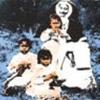
On the wild river that divides Namibia from Angola, members of the Himba tribe herd cattle as they have done for hundreds of years. The women wear thick coils of jewelry and skirts of animal skin; there are monkeys in the palm trees and love birds breed nearby. Where Fire Speaks documents the lives of the Himba, and time spent around the fire, where it is believed their ancestors reside, speaking to them and connecting them to their past. But the world of the Himba sits in the shadow of third-world development and the inevitability of change that threatens their way of life; now, they are more likely to attend evangelical church services, congregate around the liquor trader's truck, journey to the big town to visit the hospital, and pose for tourists' photographs.
Winner, Hubert Evans Prize for Non-fiction. Reviews
Handsomely produced and thought-provoking.
—Publishers Weekly To their credit, the authors are wise enough to offer only observations, not answers, and the tale is told in a self-effacing observational style that is very refreshing. Not once in the sixty black and white photos do we catch a glimpse of our would-be protagonists. —ascent magazine Exquisite and sensual, witty and often poignant, David Campion's photographs tell the layered stories of a traditional culture embracing the contemporary world. And Sandra Shields' sensitive and probing text reminds us that there is no longer an "end of the earth." This graceful book sensitively observes how the Himba people are embracing consumer culture while outsiders search for the values that they think they have lost. This is the story of the new global community, told with insight and honesty by two Canadians roaming through northern Namibia. —Kim Echlin, author of Dagmar's Daughter Where Fire Speaks is a striking portrait of Southern Africa's Himba tribe. Campion's powerful black and white photography coupled with Shields' account of their two-month experience living among the tribe results in an impressive collaborative work of non-fiction. —Calgary Herald In a compact form, [Campion & Shields] present a moving portrayal of one of the world's numerous indigenous people's coming to terms with, on one hand, their traditional life and, on the other, the enticements and forces of modernity. —Crank Magazine More Information
News
|
|